
Starting something as big as custom home building can bring up a lot of feelings. Excitement, yes, but also confusion. Where do you begin? Who do you talk to? What should you focus on first? You might be staring at a blank notebook or a long list of questions and wondering how anyone ever pulls this off without losing their grip. You’re not alone.
Many of us in Raleigh, North Carolina, have been there too. It’s common to feel unsure about how to kick things off. But when you break it into small, simple steps, it doesn’t have to feel like such a high mountain to climb. You don’t need to figure out every detail right now. What matters most is taking that calm, clear first step and knowing what to expect next. This way, the whole process feels more manageable and less like one big unknown.
One of the smartest things to do in the beginning is slow down and think through what really matters to you in a home. Not the paint colors or which light fixtures go where. Start with the big picture.
Try thinking about your mornings and evenings. Do you want a mudroom near the garage? A quiet place to work that doesn’t share a wall with the playroom? A kitchen that opens up to a sunny spot for brunch? These everyday choices will guide much of the design, and taking time here helps everything else flow better later on.
This doesn’t have to be perfect. You’re not drafting blueprints, you’re just getting a feel for what matters to your lifestyle. It’s fine if your ideas shift along the way. The point now is to give yourself space to think about how your home will support your daily life without being swept into decisions too quickly.
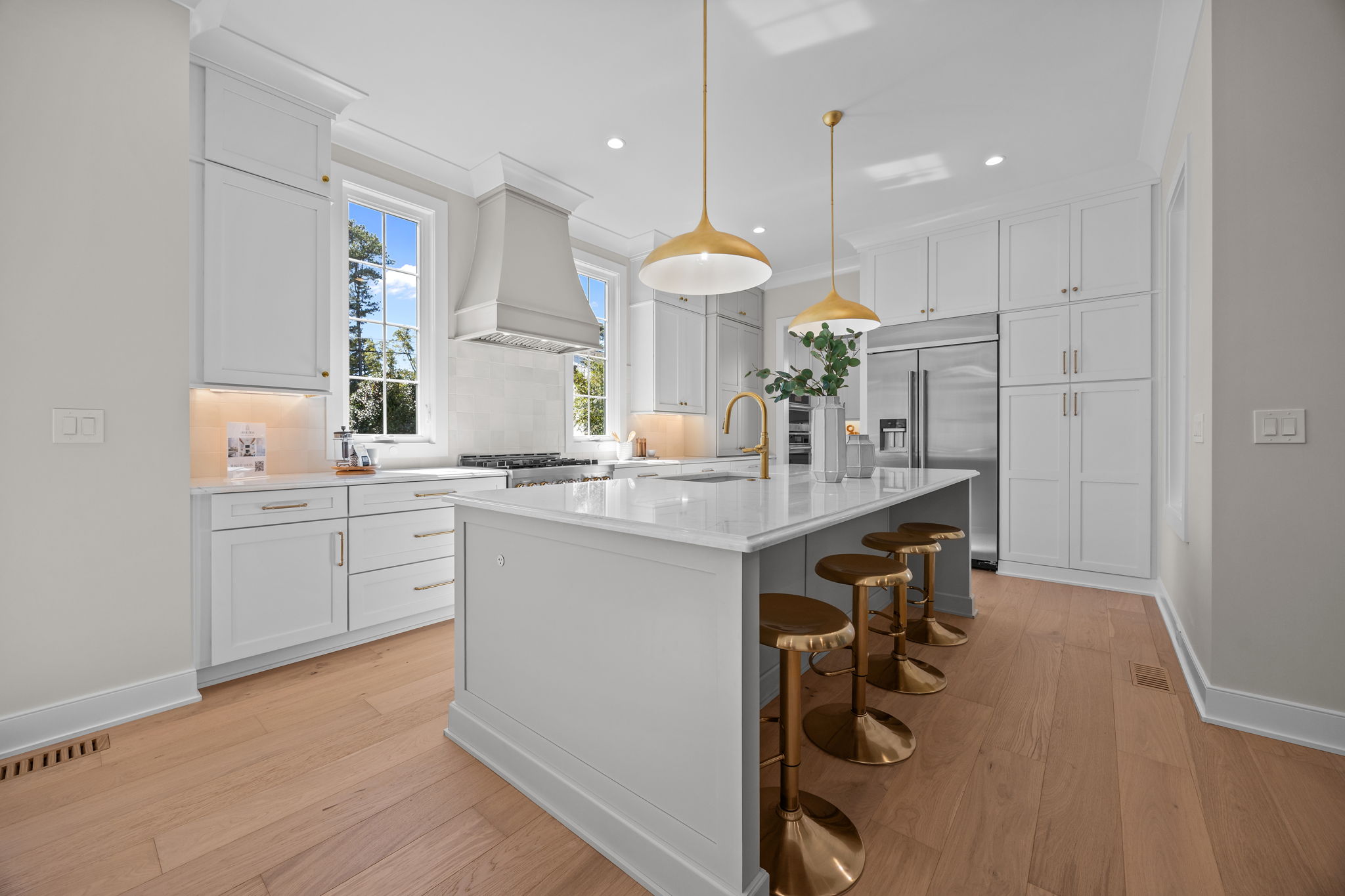
The people you choose to work with will make a big difference in how you feel along the way. Some home builders focus on getting projects done fast. Others are more focused on service and the people side of the process. It’s important to find a builder who listens and takes time to understand what you want.
Look for someone who asks thoughtful questions and makes the process feel less mysterious. A good early sign is when a builder takes time to walk you through how things will unfold, without rushing or pushing you toward decisions you’re not ready for.
Homestead Building Company, based in Raleigh, brings over twenty years of experience to every project, crafting homes that reflect each client’s vision and ensuring the experience stays rewarding and pressure-free. Their design-build approach focuses on collaboration from day one, allowing future homeowners to be involved at every key step.
One of the easiest first steps is simply having a conversation. A short phone call or meeting can give you a clearer picture of how that team works and what it would feel like to build with them. You don’t need to know all the answers before reaching out. The right builder helps you figure them out together.
Winter in Raleigh is usually mild, but it still shapes the custom home building calendar. Starting to plan in January can work to your advantage. By getting things moving now, you’re lining yourself up well to break ground during the spring building season.
Permits take time. So does designing a floor plan that really fits. If you begin thinking through these pieces now, you’re less likely to run into delays later when the weather warms up. Even with North Carolina’s moderate winters, frozen ground or heavy rain can slow down foundation work. Early planning helps avoid those kinds of bottlenecks.
When you set your expectations for timing, keep some flexibility in mind. Things can change. But having a rough idea of when you want to move in, and when you’d like to see action on your lot, can help everyone stay focused. A loose timeline gives you something to work back from and keeps the process from feeling like it’s dragging on with no finish in sight.
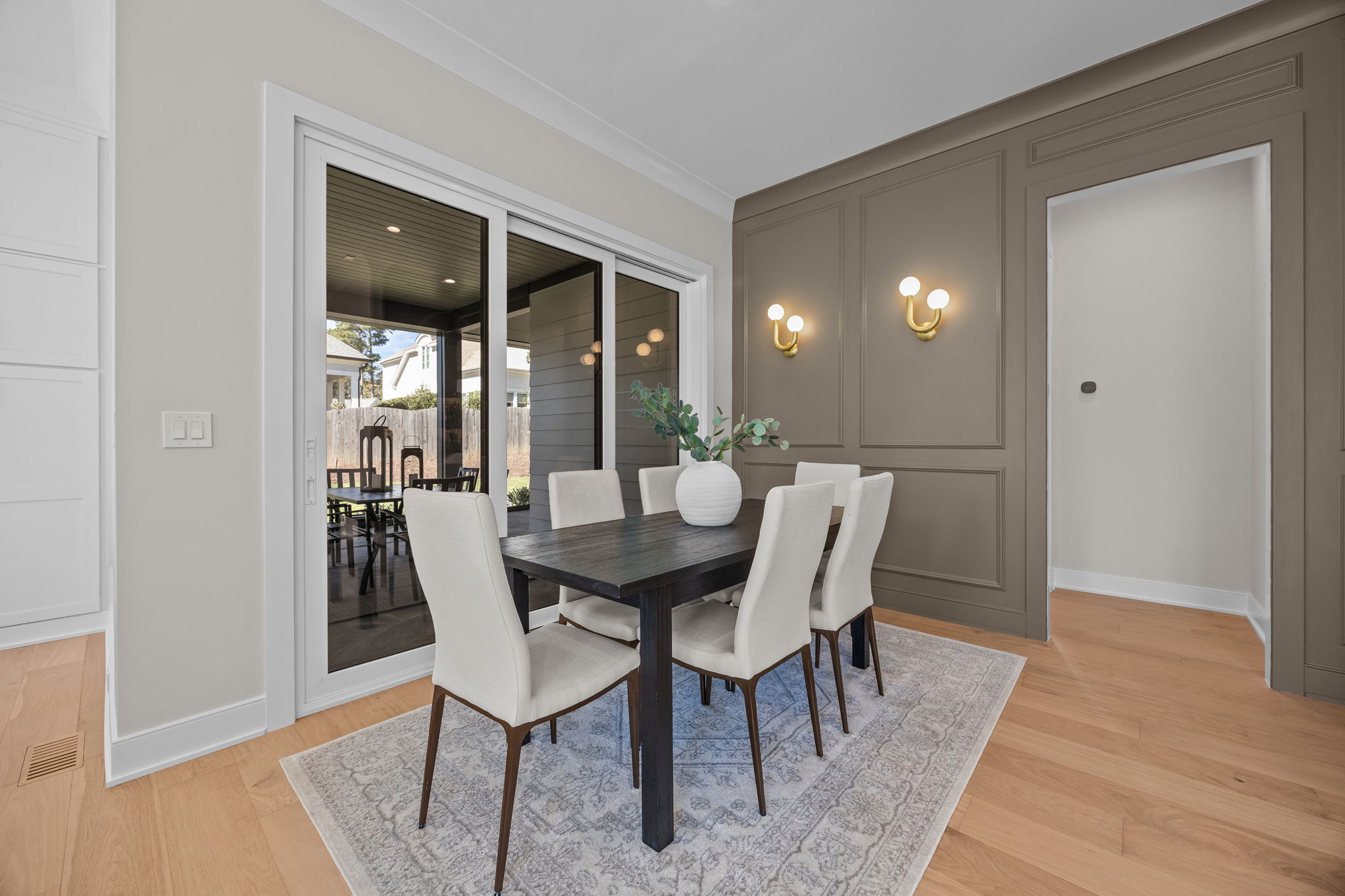
Once you feel comfortable with who you’re working with, the next stage is about turning ideas into something more structured. You’ll usually start attending design meetings where your wish list gets shaped into real plans. There’s a lot to cover over time, from cabinet layout to room flow, but this isn’t something you’re expected to tackle all at once.
Alongside the design is the question of land. If you already own a lot, great. If not, your builder may help guide you toward locations that fit the kind of home you’re hoping to build. Soil tests, site prep, and permits might also start rolling in at this stage.
According to the Homestead Building Company website, we offer support through lot acquisition guidance and handle site preparation steps, such as coordinating engineering and surveys needed for permitting in the Triangle area.
Paperwork might not sound exciting, but it means things are moving forward. Your builder will usually help manage things like scheduling with surveyors, submitting plans to local departments, and sorting through the rules around building in that area. These steps pull everything together, and it’s okay if this part takes a little while. Being slow now helps avoid missteps later.
When you’re standing at the start of custom home building, it can be tempting to put it off until everything feels more settled. But the truth is, starting sooner (while giving yourself room to move slowly) puts you in the best position moving forward. You don’t have to sort everything out, but making that first call, asking a few questions, or writing down your thoughts helps take the pressure off.
Starting with care and clarity helps the whole project feel less stressful. Instead of scrambling through big decisions all at once, you’ll get to move at a steady pace, supported by people who know how to walk you through each part. Before long, that big idea in your head begins taking shape on paper. And then, eventually, on land.
With each step, the process starts to feel a little more real and a lot more rewarding.
Ready to turn your ideas into reality? At Homestead Built, we’re here to support you whether you’re mapping out floor plans or considering land in Raleigh, North Carolina. Exploring what’s currently available can spark new possibilities for your custom home. See how others have approached custom home building and discover what feels right for you, then reach out when you’re ready to start the conversation.